
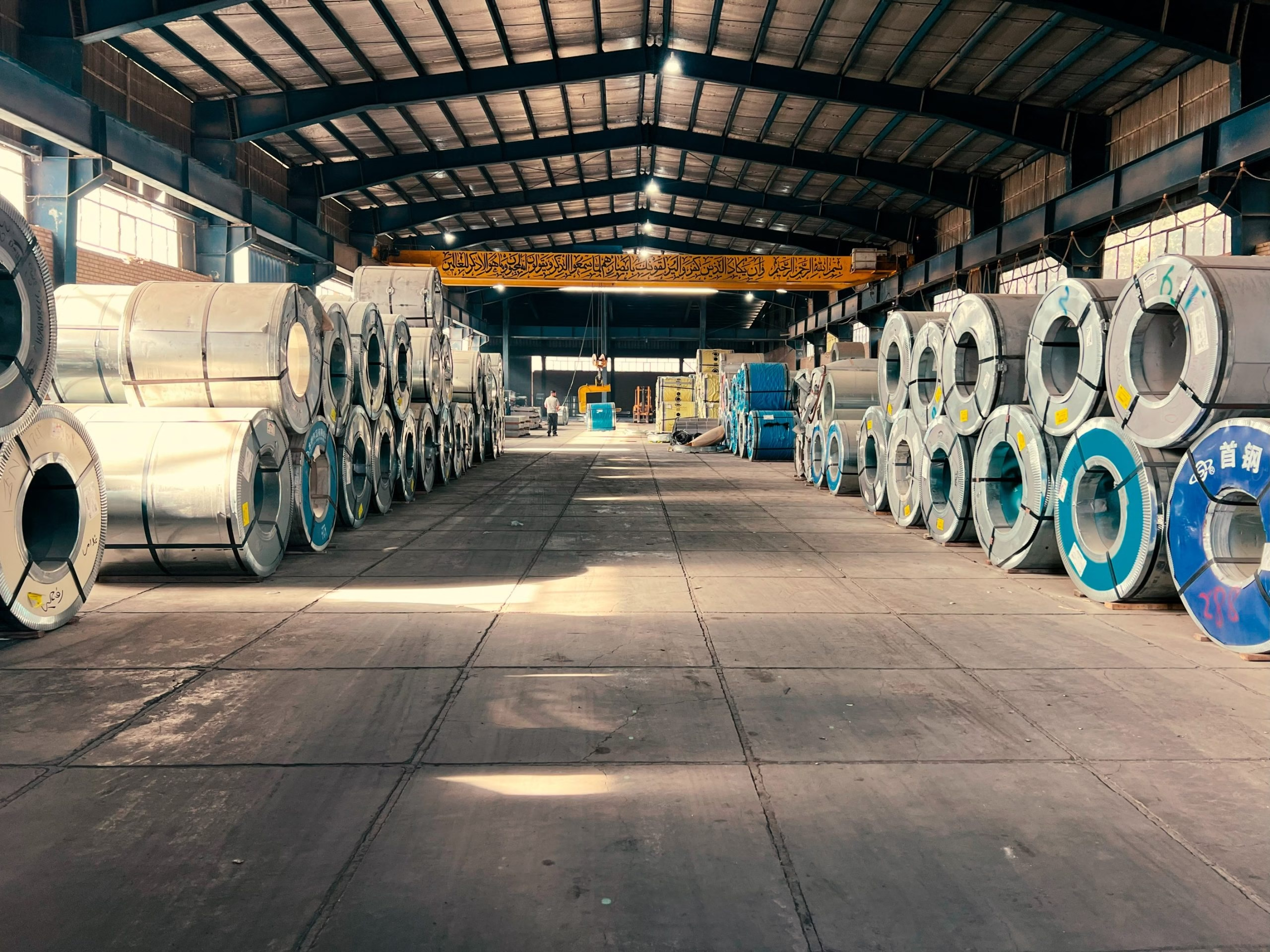
When buying steel packaging strapping, consider the coating type, storage conditions, the load’s weight and nature, the strapping method and the required dimensions together. In this category you can browse Ghafari Industrial Group’s steel strapping products and compare oiled and galvanized options before placing a bulk order.
If you have not yet selected the appropriate type, the complete steel packaging strapping guide explains the selection path. To receive a proposal suited to your application, state the required specifications, order quantity and conditions of use when requesting a quotation.
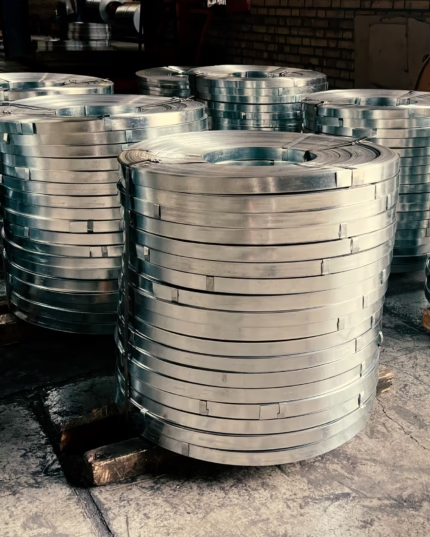
Steel Packaging Strapping Buying Guide
Steel strapping is selected when a package or load needs stable restraint, suitable mechanical strength and shape retention during handling and storage. The right choice does not depend only on the product name: surface type, width, thickness, edge quality, joining method and compatibility with the strapping machine or tool all affect final performance. Before placing an order, define the technical requirements of the application and select the product on that basis.
This page is intended for viewing and comparing products. If you need a fuller explanation of strapping construction, applications and the selection path, first read the steel packaging strapping guide. For details of the supply process and ordering capacity, the steel packaging strapping manufacturing page is the more specific reference.
Oiled or Galvanized Strapping: Which Is More Suitable?
The main difference between these two groups is their surface condition and intended environment. Oiled steel packaging strapping is considered for applications where storage conditions and contact with moisture are controlled and the oiled surface is compatible with the process. By contrast, galvanized steel packaging strapping is considered when surface resistance in humid conditions or during longer storage is more important.
Neither option is an absolute replacement for the other. The place of use, storage duration, transport route, possible exposure to moisture and limitations of the packaging tool or line must all be considered. If the application involves special conditions, make the final selection on the basis of a sample, the technical specifications and advice from the sales team.
What Specifications Should Be Provided Before Ordering?
Accurate information allows the technical proposal and order estimate to match the actual requirement more closely. When requesting a quotation, provide the following details wherever possible:
- Application and load: the product to be restrained or packaged and its transport conditions.
- Required width and thickness: based on the machine, joining tool and the packaging line's internal standard.
- Surface type: oiled or galvanized, according to the use and storage environment.
- Edge type and visual quality: suited to how the strap contacts the product and to workplace-safety requirements.
- Delivery form and order quantity: coil weight or count, consumption plan and delivery location.
If special widths or order-specific preparation are required, send the complete technical information so that production or supply feasibility can be reviewed. For applications that require spring behavior and different mechanical properties, review the high-tensile steel strapping page separately; it is not the same product as ordinary packaging strapping.
Joining the Strap and Selecting the Correct Seal
Packaging-system performance does not depend on the strap alone. The tensioning method, tool type and final joint must match the strap specifications. Any steel packaging strapping seal must be compatible with the strap width and joining method. Telling the sales team which machine or tool is available helps identify incompatibility between strap and seal before purchase.
Pricing and Bulk Orders
Steel-strapping price is not one fixed figure for every order; it depends on coating type, dimensions, order weight, delivery form and raw-material market conditions. The steel packaging strapping price guide explains the factors that affect a quotation. For an accurate response, provide the strapping type, width, thickness, quantity and delivery location; supply feasibility, timing and order terms can then be reviewed against those specifications.